Resources

  • Discover TAP resources
  • Discover all resources

In this section you can find the main resources developed by the Tropical Agriculture Platform (TAP)


Common Framework Volumes


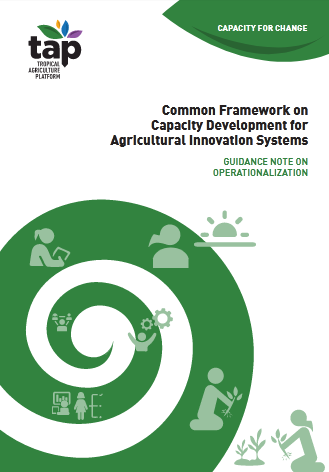
The Common Framework developed by TAP proposes a practical approach to development of capacities for agricultural innovation.
 

Conceptual Diagram of an Agricultural Innovation Systems
The 3 dimensions of Capacity Development
The 4 + 1 Capacities
Definitions
The Framework is composed of three volumes and provides concepts, principles, methodologies and tools to better understand the architecture of Agricultural Innovation Systems and to plan, implement, monitor, evaluate and bring coherence to the Capacity Development interventions.


Capacity Development Manuals
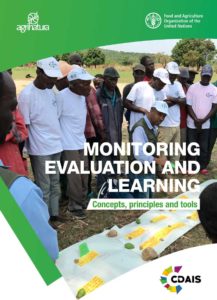
 

This trainers’ manual collection was produced as part the Capacity Development for Agricultural Innovation Systems (CDAIS) project. The project was implemented by Agrinatura and FAO in partnerhsip with national partners from eight pilot countries) focusing on strengthen the capacity of countries and key stakeholders to innovate in complex agricultural systems, thereby achieving improved rural livelihoods.
Tools
Tools
Tools
Tools
Tools
Tools


TAP Tools

FAO in collaboration with Agrinatura has produced a series of factsheets outlining tools and approaches to promote capacity development projects for agricultural innovation systems (AIS). The tools are designed with a view to the practical implementation of the principles of the Common Framework of the Tropical Agriculture Platform (TAP). They have been applied in the CDAIS project.
Other TAP resources

This section contains other resources developed by the Tropical Agriculture Platform, such as practical implementation tools and factsheets for Capacity Development, Success stories from implemented projects, TAP Charter, TAP annual reports, and many more.');

Overview Stage 1: Galvanizing commitment

Galvanizing the commitment of agricultural innovation systems  (AIS) actors through learning, participation and reflection is a prerequisite for capacity development (CD) initiatives. This phase ensures both a common understanding of the process of CD for AIS as well as to create ownership and high-level support by those that head and lead representative bodies of actors within the system. This factsheet is part of a series outlining tools and approaches to promote CD projects for AIS. The tools described in these pages are designed with a view to the practical implementation of t...
2017

Tool factsheet: Scoping Study

The scoping study explores the nature and dynamics of the agricultural innovation system in order to disclose past and ongoing investments and mechanisms relating to AIS in the country. In particular, the study looks into the various initiatives and projects that support capacity development processes. This factsheet is part of a series outlining tools and approaches to promote capacity development projects for agricultural innovation systems (AIS). The tools described in these pages are designed with a view to the practical implementation of the principles of the Common Framework of the Tr...
2017

Overview Stage 2: Visioning

The visioning process brings together representatives of actor groups within the agricultural innovation systems (AIS) to build on their common understanding of AIS and the need for a coordinated approach. The process involves a wide spectrum of interested parties including ministries, legislative bodies and representatives of the private sector plus development partners and civil society. This factsheet is part of a series outlining tools and approaches to promote capacity development (CD) projects for AIS. The tools described in these pages are designed with a view to the practical i...
2017

Tool factsheet: Rich Picture

This tool is a simple tool to map out the current status of the AIS, and to discover where the actors want to go. The rich picture tool can be used both to describe the current situation and to illustrate future plans. A rich picture opens up discussions and helps participants reach a broad and collective understanding of the situation. This factsheet is part of a series outlining tools and approaches to promote capacity development projects for agricultural innovation systems (AIS). The tools described in these pages are designed with a view to the practical implementat...
2017

Overview Stage 3: Capacity Needs Assessment

Capacity needs assessment is at the core of the cycle of the TAP Common Framework and it is fundamental to strengthening the agricultural innovation systems (AIS). The Assessment aims to ascertain the level of technical and functional capacity, and in particular the capacity to adapt and respond in the various dimensions.  The capacity needs assessment will provide an analysis across the sector to inform the setting of priorities and development of strategic capacity development (CD) interventions. This factsheet is part of a series outlining tools and approaches to promote CD pro...
2017

Tool factsheet: Action Planning

The Action Planning is a tool that formalizes commitments and plots the route to their implementation. An action plan is intended for the use of the core actors, who will have been identified beforehand in the visioning phase. It determines who does what and when, and is therefore essential to ensuring that things get done and that the goals and visions set out in the capacity development strategy are achieved. This factsheet is part of a series outlining tools and approaches to promote capacity development projects for agricultural innovation systems (AIS). The tools described in these pag...
2017

Tool factsheet: Timeline

The timeline tool is generally put to use when stakeholders embark upon the self-assessment phase of their innovation partnership. Stakeholders are asked to recall moments they feel were significant for the partnership, from its beginning to the present and to reflect upon how the partnership has evolved since it began. This factsheet is part of a series outlining tools and approaches to promote capacity development projects for agricultural innovation systems (AIS). The tools described in these pages are designed with a view to the practical implementation of the principles of the Common F...
2017

Tool factsheet: Capacity-focused Problem Tree

The capacity-focused problem tree pinpoints a core capacity issue, along with its causes and effects. It helps clarify the precise capacity-development objectives that the intervention aims to achieve. The focus should be on functional capacity, but room should be left to acknowledge technical capacity issues too. This factsheet is part of a series outlining tools and approaches to promote capacity development projects for agricultural innovation systems (AIS). The tools described in these pages are designed with a view to the practical implementation of the principles of the Common Framewo...
2017

Tool factsheet: Simulation Game

This tool enables participants to become cognisant of the functional capacities discovered through the capacity scoring questionnaire, and test the limits of these capacities through simulations or role-playing (e.g. problem-solving, collaboration, information sharing, and engagement). The simulation game leads to an intuitive understanding of innovation capacities and of the importance of the enabling environment, helping participants to learn about the significance of these capacities. This factsheet is part of a series outlining tools and approaches to promote capacity development projec...
2017

Ethiopia: A story of change. Feed safety - change through learning

Ethiopia has more livestock than any other country in Africa. The sales of meat, milk and other animal products from 57 million cattle, 29 million sheep, 29 million goats, 7 million donkeys, 2 million horses, a million camels and half a million mules make up one-quarter of national gross domestic product (GDP), 45% of agricultural GDP, and provide 16% of foreign earnings from the export of live animals, hides and skins. In addition, but more difficult to measure, is the work these animals provide, for ploughing, threshing, and transporting farmers, families and farm products to mar...
2017

TAP Tools

FAO in collaboration with Agrinatura has produced a series of factsheets outlining tools and approaches to promote capacity development projects for agricultural innovation systems (AIS). The tools are designed with a view to the practical implementation of the principles of the Common Framework of the Tropical Agriculture Platform (TAP). They have been applied in the CDAIS project.

Other TAP resources

This section contains other resources developed by the Tropical Agriculture Platform, such as practical implementation tools and factsheets for Capacity Development, Success stories from implemented projects, TAP Charter, TAP annual reports, and many more.');

Overview Stage 1: Galvanizing commitment

Galvanizing the commitment of agricultural innovation systems  (AIS) actors through learning, participation and reflection is a prerequisite for capacity development (CD) initiatives. This phase ensures both a common understanding of the process of CD for AIS as well as to create ownership and high-level support by those that head and lead representative bodies of actors within the system. This factsheet is part of a series outlining tools and approaches to promote CD projects for AIS. The tools described in these pages are designed with a view to the practical implementation of t...
2017

Tool factsheet: Scoping Study

The scoping study explores the nature and dynamics of the agricultural innovation system in order to disclose past and ongoing investments and mechanisms relating to AIS in the country. In particular, the study looks into the various initiatives and projects that support capacity development processes. This factsheet is part of a series outlining tools and approaches to promote capacity development projects for agricultural innovation systems (AIS). The tools described in these pages are designed with a view to the practical implementation of the principles of the Common Framework of the Tr...
2017

Overview Stage 2: Visioning

The visioning process brings together representatives of actor groups within the agricultural innovation systems (AIS) to build on their common understanding of AIS and the need for a coordinated approach. The process involves a wide spectrum of interested parties including ministries, legislative bodies and representatives of the private sector plus development partners and civil society. This factsheet is part of a series outlining tools and approaches to promote capacity development (CD) projects for AIS. The tools described in these pages are designed with a view to the practical i...
2017

Tool factsheet: Rich Picture

This tool is a simple tool to map out the current status of the AIS, and to discover where the actors want to go. The rich picture tool can be used both to describe the current situation and to illustrate future plans. A rich picture opens up discussions and helps participants reach a broad and collective understanding of the situation. This factsheet is part of a series outlining tools and approaches to promote capacity development projects for agricultural innovation systems (AIS). The tools described in these pages are designed with a view to the practical implementat...
2017

Overview Stage 3: Capacity Needs Assessment

Capacity needs assessment is at the core of the cycle of the TAP Common Framework and it is fundamental to strengthening the agricultural innovation systems (AIS). The Assessment aims to ascertain the level of technical and functional capacity, and in particular the capacity to adapt and respond in the various dimensions.  The capacity needs assessment will provide an analysis across the sector to inform the setting of priorities and development of strategic capacity development (CD) interventions. This factsheet is part of a series outlining tools and approaches to promote CD pro...
2017

Tool factsheet: Action Planning

The Action Planning is a tool that formalizes commitments and plots the route to their implementation. An action plan is intended for the use of the core actors, who will have been identified beforehand in the visioning phase. It determines who does what and when, and is therefore essential to ensuring that things get done and that the goals and visions set out in the capacity development strategy are achieved. This factsheet is part of a series outlining tools and approaches to promote capacity development projects for agricultural innovation systems (AIS). The tools described in these pag...
2017

Tool factsheet: Timeline

The timeline tool is generally put to use when stakeholders embark upon the self-assessment phase of their innovation partnership. Stakeholders are asked to recall moments they feel were significant for the partnership, from its beginning to the present and to reflect upon how the partnership has evolved since it began. This factsheet is part of a series outlining tools and approaches to promote capacity development projects for agricultural innovation systems (AIS). The tools described in these pages are designed with a view to the practical implementation of the principles of the Common F...
2017

Tool factsheet: Capacity-focused Problem Tree

The capacity-focused problem tree pinpoints a core capacity issue, along with its causes and effects. It helps clarify the precise capacity-development objectives that the intervention aims to achieve. The focus should be on functional capacity, but room should be left to acknowledge technical capacity issues too. This factsheet is part of a series outlining tools and approaches to promote capacity development projects for agricultural innovation systems (AIS). The tools described in these pages are designed with a view to the practical implementation of the principles of the Common Framewo...
2017

Tool factsheet: Simulation Game

This tool enables participants to become cognisant of the functional capacities discovered through the capacity scoring questionnaire, and test the limits of these capacities through simulations or role-playing (e.g. problem-solving, collaboration, information sharing, and engagement). The simulation game leads to an intuitive understanding of innovation capacities and of the importance of the enabling environment, helping participants to learn about the significance of these capacities. This factsheet is part of a series outlining tools and approaches to promote capacity development projec...
2017

Ethiopia: A story of change. Feed safety - change through learning

Ethiopia has more livestock than any other country in Africa. The sales of meat, milk and other animal products from 57 million cattle, 29 million sheep, 29 million goats, 7 million donkeys, 2 million horses, a million camels and half a million mules make up one-quarter of national gross domestic product (GDP), 45% of agricultural GDP, and provide 16% of foreign earnings from the export of live animals, hides and skins. In addition, but more difficult to measure, is the work these animals provide, for ploughing, threshing, and transporting farmers, families and farm products to mar...
2017

Discovery Space


TAPipedia search tools allow TAP partners and other stakeholders to share their own applied and context specific Capacity Development (CD) for Agricultural Innovation Systems (AIS) resources and to discover such knowledge from different sources and regions.


PUBLISHER

Discovery space

PUBLISHER